

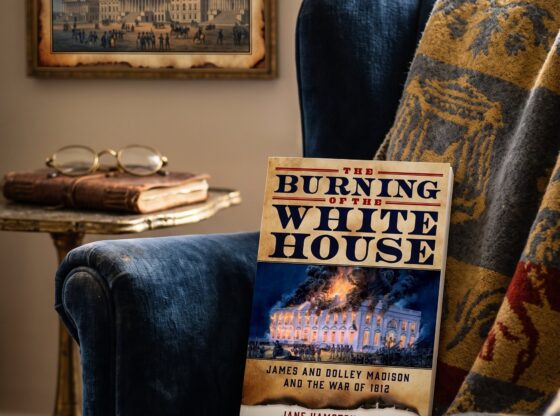

Soft Diplomacy Leadership: How Dolley Madison Bridged the Ultimate Partisan Divide
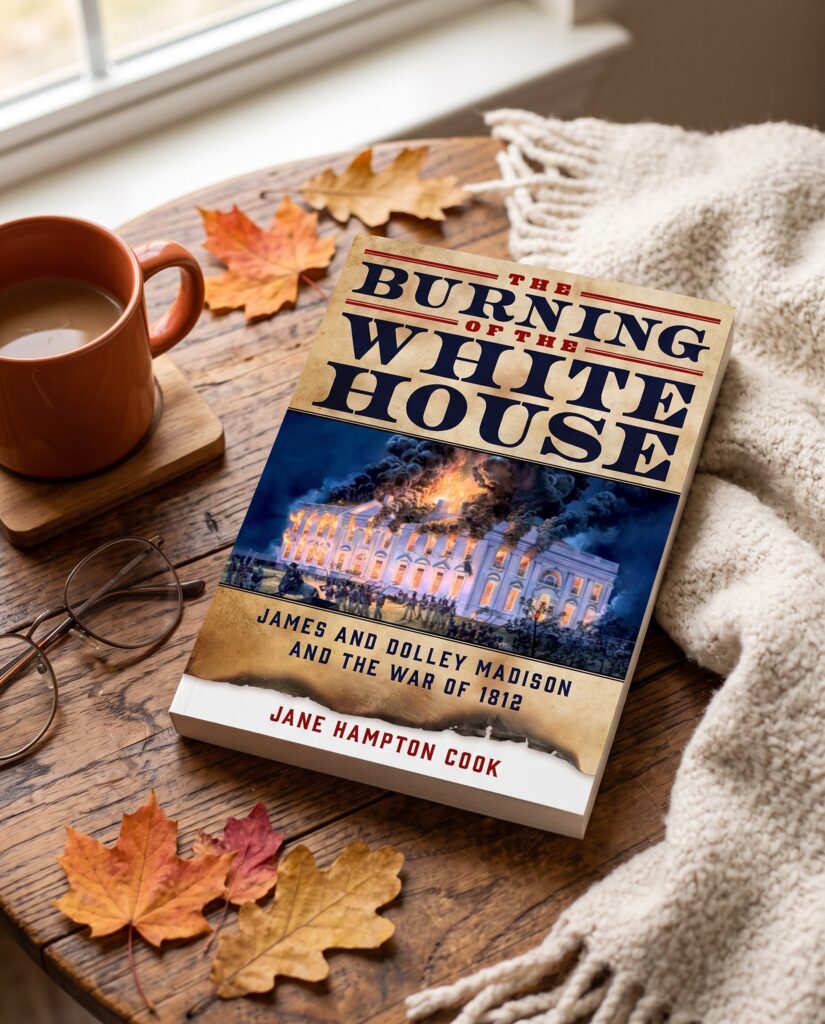
Introduction
The red velvet curtains in the oval room of the President’s House made a bold
setting for an even bolder experiment. On Wednesday evenings, political
adversaries crossed the threshold, entered rooms arranged for conversation, and
found themselves sharing company with people they had spent the day opposing.
Washington City during the War of 1812 was no polite haven of agreement.
Federalists and Republicans distrusted one another, newspapers sharpened every
disagreement, and some men in Congress were known for the most acrimonious
exchanges. Yet Dolley Madison opened her drawing rooms to both sides, creating
a place where opponents could meet as human beings rather than as slogans.
This was not a retreat from conviction. It was a practical form of leadership. The
Soft Diplomacy Framework offers a way to create neutral ground, use hospitality
with intention, and turn hostile distance into workable human connection when a
divided culture needs it most.
The Strategy of the Open Door
A divided group rarely repairs itself by asking its members to agree first. Dolley Madison began further upstream: she made it possible for people to occupy the same room. Her Wednesday drawing rooms at the President’s House did not require invitations, which meant that Federalists and Republicans could enter without having to pass a political test at the door.
That access mattered because the gathering was neither a Senate debate nor a
private dinner designed for allies. A reporter attending one of the drawing rooms
observed members of both houses of Congress, including some of the most
acrimonious ones. They could talk politics if they wished, but the presence of
ladies, conversation, and cool ice cream created social boundaries against turning
every disagreement into a duel.
The contrast with Thomas Jefferson’s entertaining style was plain. Jefferson would not invite members of opposite political parties to the same gatherings at the President’s House. The Madisons made a different calculation: political foes who encountered one another in a shared social setting might see a person before
seeing an enemy. Use that lesson as a three-part practice when your own group has hardened into camps.
First, identify the people or functions that rarely meet except in conflict.
Second, establish a recurring gathering with open access and a purpose broader
than settling the dispute. Third, remove the usual battlefield: no competing
presentations, no forced verdict, and no seating arranged by rank or faction.
The quick win takes less than five minutes. Put one recurring twenty-minute
gathering on the calendar this week and write a single rule in the invitation:
people from different functions or viewpoints are welcome, and the purpose is to
understand the work in front of us before arguing for a solution. An open door
alone will not resolve every grievance, but a closed door guarantees that
suspicion keeps growing.
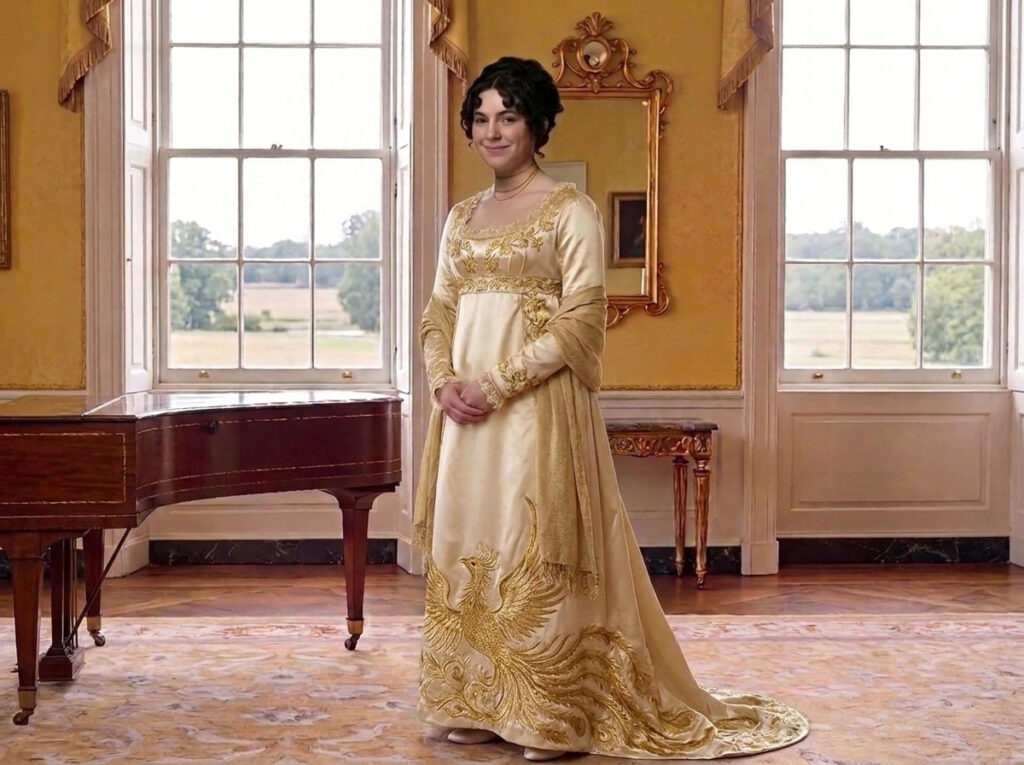
Abundance Over Elegance
Hospitality is often misunderstood as decoration, expense, or performance. Dolley
Madison used it differently. Her drawing rooms included coffee, cakes, nuts, fruit,
whiskey punch, and a welcome that a visitor described as marked by hospitality,
politeness, and attention; the point was not to display distance but to lower it.
The Merry affair shows the distinction. When Anthony and Elizabeth Merry, the
British diplomatic couple, found American customs less formal than a European
court, Elizabeth Merry described a Madison dinner as more like a “harvest-home supper” than an entertainment for a secretary of state. Dolley defended the plain but abundant Virginia customs, explaining that abundance was preferable to
elegance.
That answer holds a leadership principle. Do not wait until conditions look perfect
before making room for people. A rigid effort to impress can make guests feel
measured, ranked, or excluded; a generous effort to provide enough can make
them feel seen. The goal is not lavishness. It is a setting in which no one must
spend the first half hour wondering whether they belong.
Try an abundance audit before your next gathering. Ask: Is there enough time for
people to speak without racing? Is there enough context for a newcomer to
understand the conversation? Is there enough food, seating, or practical comfort
to prevent small discomforts from becoming reasons to leave? Is there enough
welcome for the person who arrives without an introduction or without the right
vocabulary?
This is especially useful when leaders hide behind formality during tension. A
carefully scripted meeting can protect order, but it can also prevent candor.
Dolley’s rooms preserved decorum while leaving space for unscripted
conversation, allowing James Madison to meet fellow citizens who might otherwise have remained distant critics. Hospitality, then, is not softness without purpose. It is preparation for the difficult work of public life. When people have been treated with dignity, they may still disagree sharply, but they have fewer excuses to treat one another as faceless enemies.
Conclusion Culture changes when leaders deliberately create moments in which people must recognize the humanity of those across the divide. Dolley Madison’s drawing rooms did not erase the conflict of the War of 1812, nor did they require James Madison’s opponents to abandon their convictions. They gave Washington City a recurring place where hostility could meet hospitality. Start modestly: choose one divide, open one recurring space, and make the terms of welcome clear. Then examine whether your customs communicate exclusion, anxiety, and display—or enough dignity and room to talk. The wider story of James and Dolley Madison during the War of 1812 shows how her social leadership also became a political shield during an age of relentless pressure. Who is the political enemy in your office, industry, or community that needs an invitation to a neutral table this week?
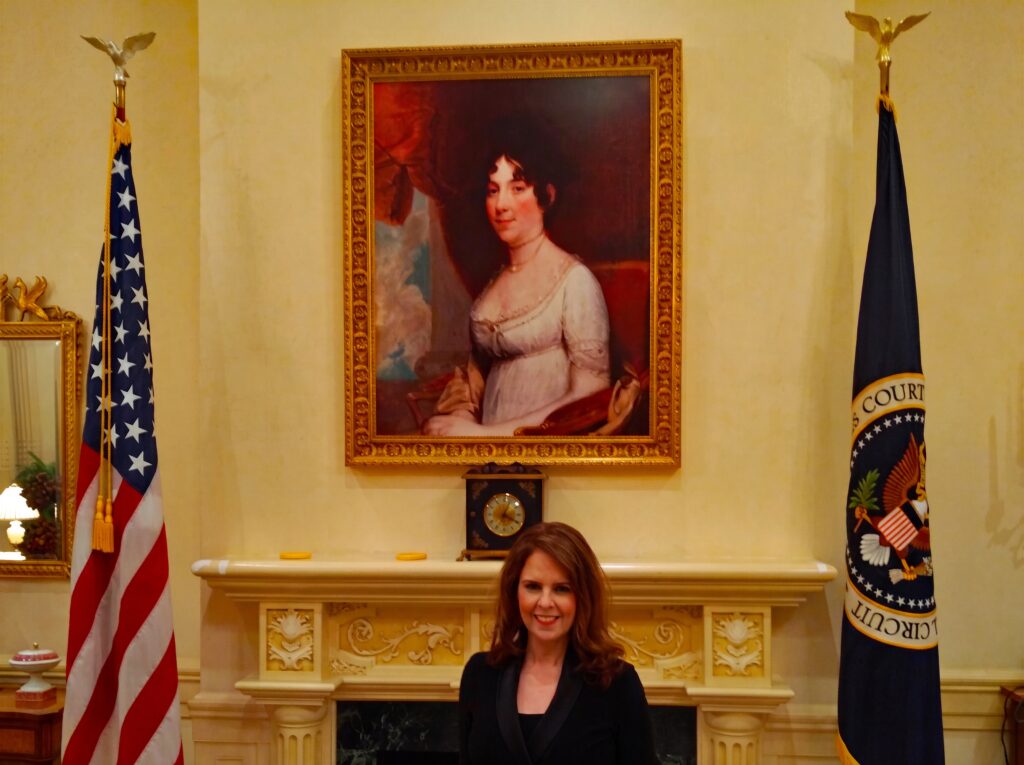

White House Phoenix is a movie adapted from The Burning of the White House that is under development.