



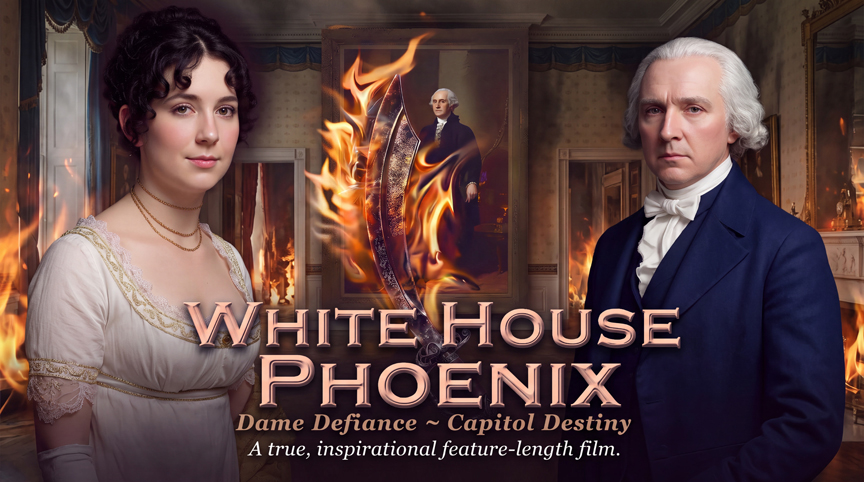
White House Film
WHITE HOUSE PHOENIX Five words. Spoken before one of the most consequential nights of the War of 1812. “I’ll eat in Baltimore tonight — or
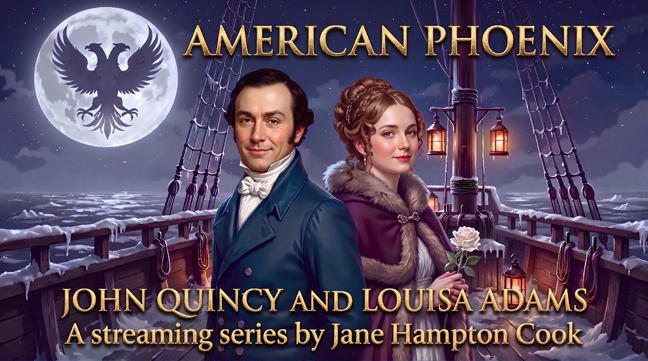
American Phoenix Film
AMERICAN PHOENIX as a streaming series A dual story of a power couple under impossible pressureA diplomatic chess match on a foreign stageA nation’s survival
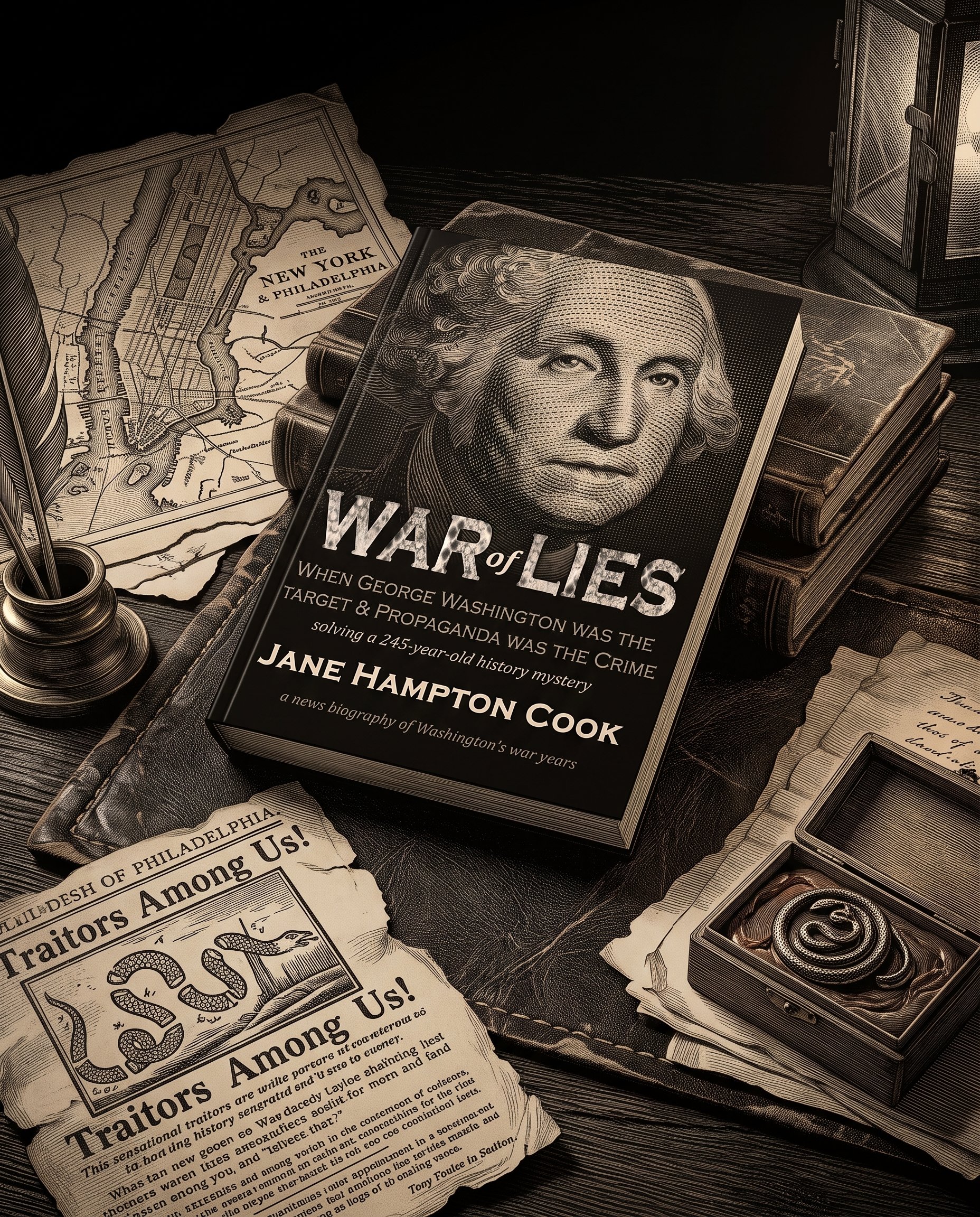
War of Lies: Anatomy of a Smear Campaign Against George Washington
Anatomy of a Smear Campaign: How the 1776 Forged Letters Targeted George Washington War of Lies: When George Washington Was the Target and the Propaganda
The Exile Advantage: How to Turn a Career Dead-End into Your Greatest Launchpad
The Exile Advantage: How to Turn a Career Dead-End into Your Greatest Launchpad Adapted from American Phoenix: John Quincy and Louisa Adams, the War of
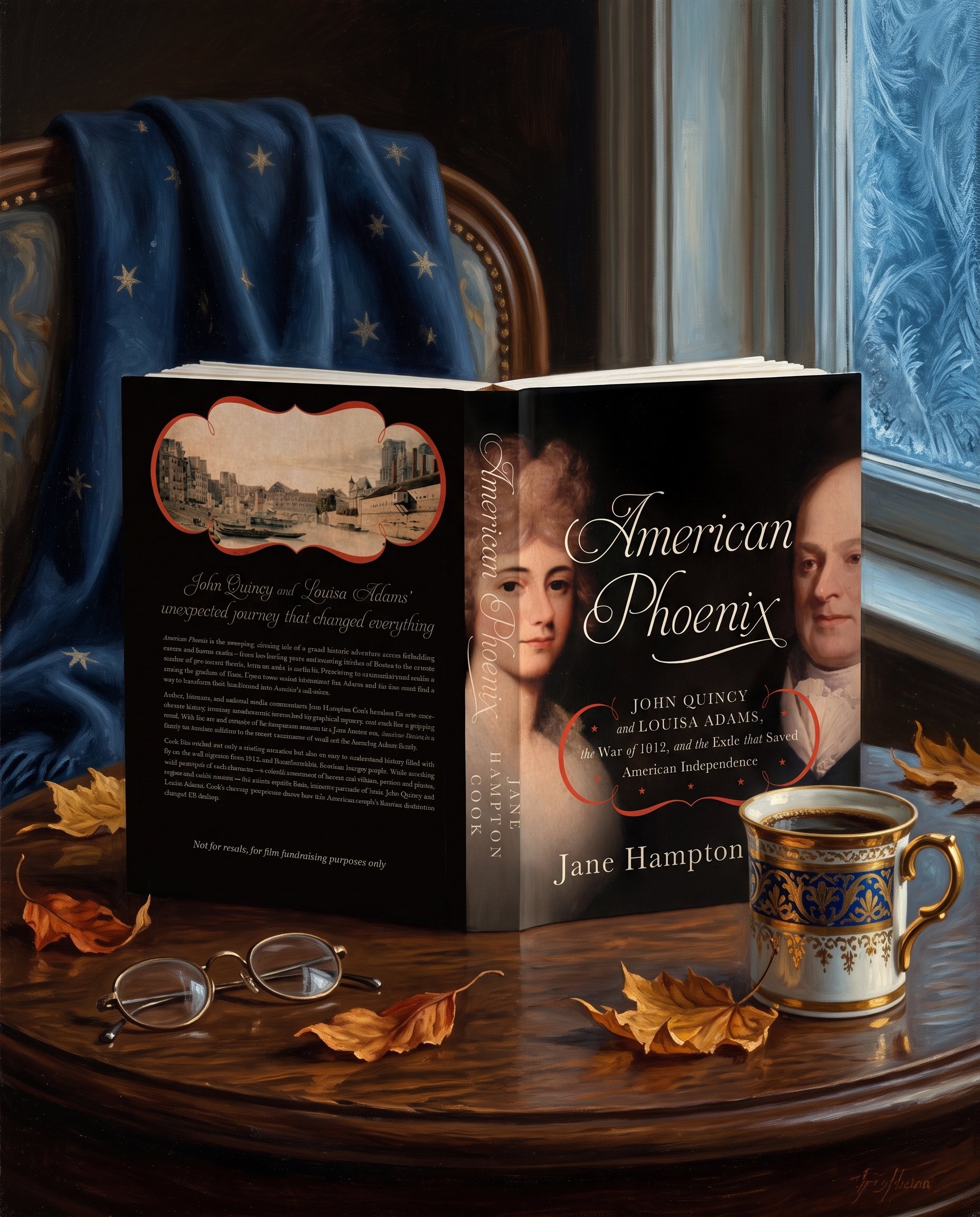
Book: American Phoenix – John Quincy & Louisa Adams
Book: AMERICAN PHOENIX-John Quincy and Louisa Adams and the War of 1812 Buy American Phoenix February 1815. Louisa Adams’s carriage is stuck fast in frozen
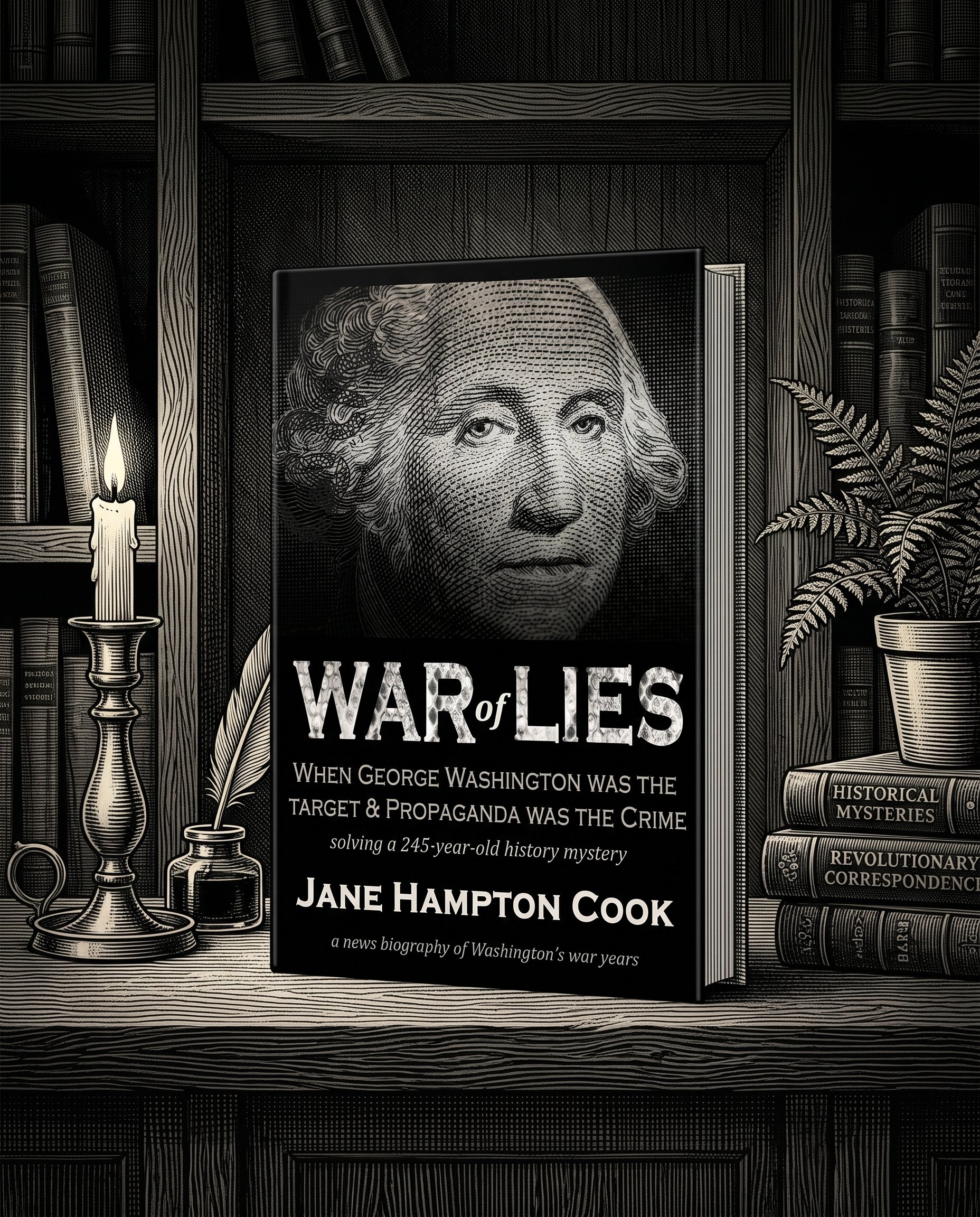
War of Lies: When George Washington Was the Target & Propaganda Was the Crime
On February 14, 1778, at Valley Forge, George Washington read a New York handbill printing a
letter signed with his name. In it, he doubted Martha’s fidelity, confessed he loved his king, and
regretted ever being called a rebel. He had written none of it.
Week after week, more counterfeit family letters appeared in print, painting the commander in
chief as a frightened hypocrite who privately opposed independence. Washington called the
campaign villainous, showed the handbill to Martha with grim sarcasm, and refused to answer
it in public. He died without learning who wrote it.
Jane Hampton Cook reopens a 247-year-old case, tracing the forgeries from an eighty-page
London pamphlet in 1777 to the presses of occupied New York, and weighing four suspects
who each had the access, the motive, and the ink. Propaganda nearly cost America its general
before it cost the British the war.
Washington never found the forger. The evidence outlived him.